
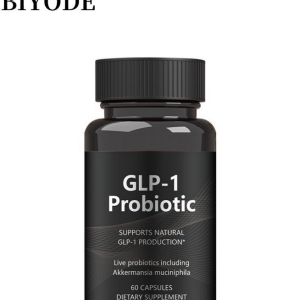
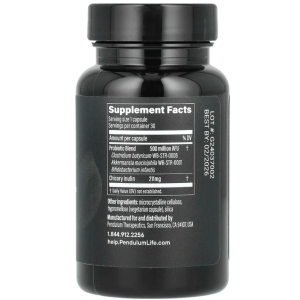
GLP-1
£55.00
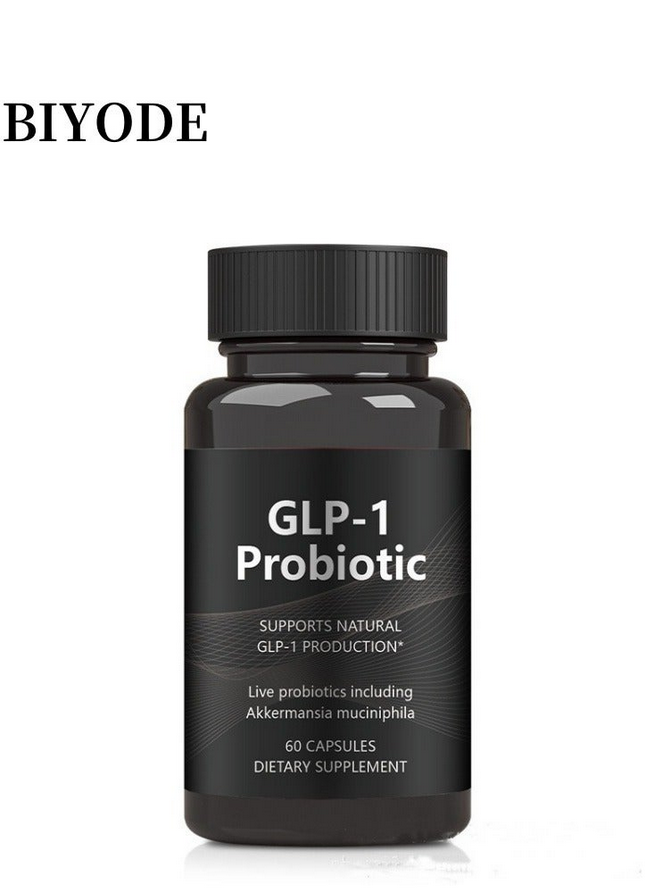
GLP-1
GLP-1 (glucagon-like peptide-1) is a naturally occurring peptide hormone in the human body that plays a major role in regulating blood sugar, appetite, and digestion. In recent years, it has become widely known because of its use in modern weight-loss and diabetes medications such as semaglutide and liraglutide.
GLP-1 is a short-chain peptide (amino acid sequence) produced in the intestines after eating. It acts as a signaling molecule that communicates with the pancreas, brain, and digestive system.
Its main biological functions include:
- Stimulating insulin release when blood sugar rises
- Reducing glucagon (a hormone that raises blood sugar)
- Slowing gastric emptying (food leaves the stomach more slowly)
- Reducing appetite and increasing feelings of fullness
Because it is a peptide, GLP-1 is broken down quickly in the body, which is why medical versions were developed to last longer. Pharmaceutical versions of GLP-1 are designed to last much longer than the natural hormone.
GLP-1-based treatments support weight loss through several mechanisms:
- Appetite suppression: Acts on the brain’s hunger centers
- Increased satiety: You feel full faster and longer
- Reduced cravings: Especially for high-fat and high-sugar foods
- Slower digestion: Helps prevent overeating
Clinical studies show many users lose 5%–15% of body weight depending on the drug, dose, and lifestyle factors.
GLP-1 therapies are considered a major advancement because they address hormonal appetite regulation, not just calorie restriction. This makes them more effective than older weight-loss drugs like orlistat.
They are now widely used for:
- Obesity management
- Type 2 diabetes treatment
- Cardiometabolic risk reduction
Important Considerations
While effective, GLP-1 medications:
- Require prescription and medical supervision
- Can cause side effects such as nausea, constipation, or fatigue
- Are generally long-term therapies, not quick fixes
- Can be expensive depending on country and brand
GLP-1 is a naturally occurring peptide hormone that regulates appetite, blood sugar, and digestion. By mimicking this peptide hormone, these treatments help reduce appetite, increase satiety, and support clinically significant weight loss.
Be the first to review “GLP-1 ”
Related products

weight Loss & Fat Burners
weight Loss & Fat Burners
weight Loss & Fat Burners
weight Loss & Fat Burners
weight Loss & Fat Burners
weight Loss & Fat Burners
weight Loss & Fat Burners
weight Loss & Fat Burners
Reviews
There are no reviews yet.