
Epitalon
£55.00
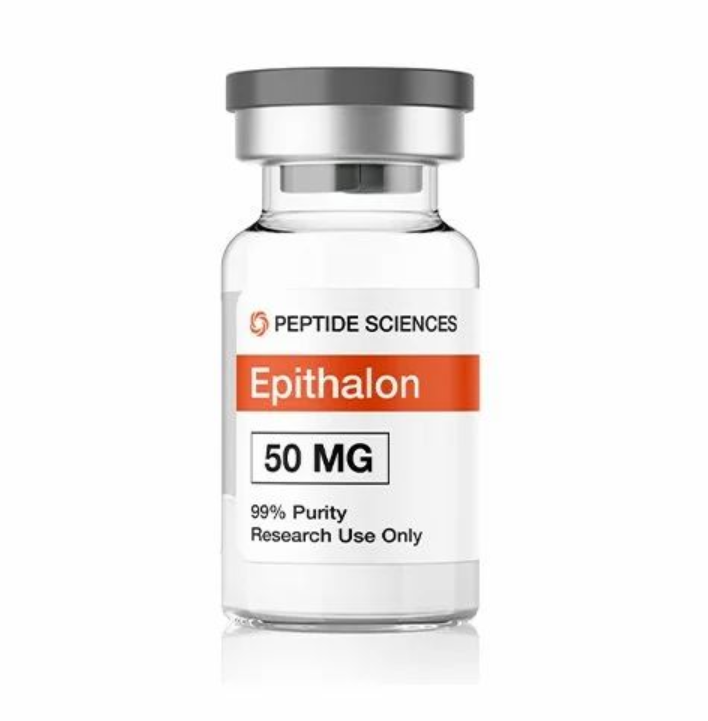
Epitalon
Epitalon (also spelled Epithalon) is a synthetic tetrapeptide (Ala-Glu-Asp-Gly) originally developed from research on the pineal gland hormone system. It is most often discussed in the context of anti-aging, sleep regulation, and cellular longevity research
Epitalon is a short-chain peptide designed to mimic natural compounds involved in regulating telomerase activity and circadian rhythm signaling.
It is mainly used in:
- Experimental anti-aging research
- Peptide therapy discussions
- Longevity and biohacking communities
Epitalon is believed to influence the body through:
- Telomerase activation (theoretical/experimental): May support maintenance of telomere length, which is linked to cellular aging
- Pineal gland modulation: May influence melatonin production and circadian rhythm
- Antioxidant activity: Helps reduce oxidative stress in some studies
Most evidence comes from animal studies and limited human trials, not large-scale clinical use.
Potential Benefits of Epitalon
Anti-Aging Research Interest
- Studied for potential effects on cellular aging pathways
- Linked in research to telomere maintenance mechanisms
Sleep Regulation
- May help normalize melatonin cycles
- Some users report improved sleep quality
- Investigated for antioxidant and regenerative properties
- May support stress resistance at cellular level
- May influence circadian rhythm stability
Side Effects & Safety
Reported or potential concerns include:
- Mild injection site irritation (if injectable form is used)
- Headache or fatigue (rare reports)
- Limited long-term human safety data
- Unknown effects with prolonged or unsupervised use
Overall, it is considered low toxicity in research settings, but human data is limited.
Legal Status
- Not approved as a prescription medication in most countries
- Sold mainly as a research chemical
- Not regulated for anti-aging or cosmetic use
- Not approved by major medical agencies for human therapy
Be the first to review “Epitalon”
Related products
weight Loss & Fat Burners
weight Loss & Fat Burners
weight Loss & Fat Burners
weight Loss & Fat Burners
weight Loss & Fat Burners
weight Loss & Fat Burners
weight Loss & Fat Burners
weight Loss & Fat Burners
Reviews
There are no reviews yet.